Teej Festival Significance in Hindu Culture & Traditions
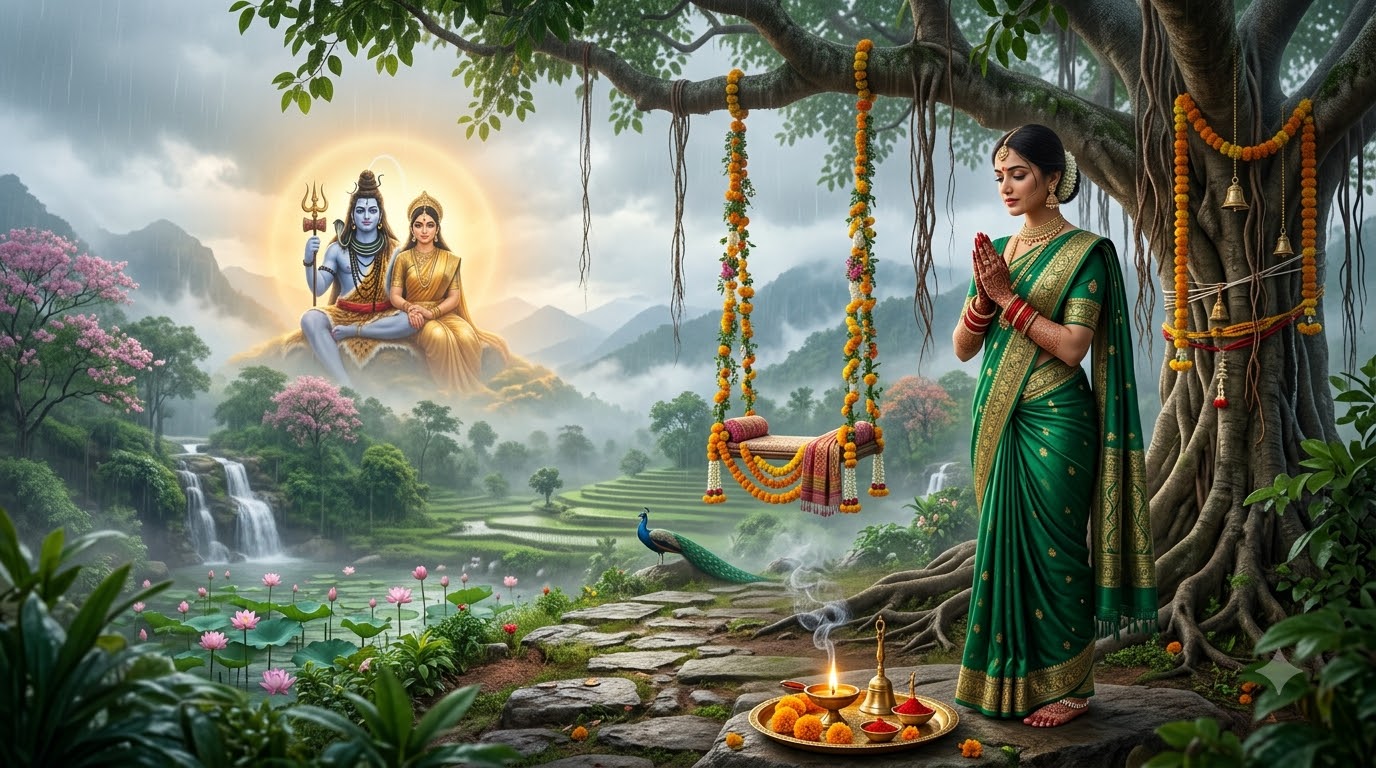
Teej is a deeply respected festival in Hindu culture, celebrated mainly by women across different parts of India. It reflects devotion, love, and the sacred bond of marriage, especially through the worship of Lord Shiva and Goddess Parvati. The festival is also closely associated with seasonal change, especially the monsoon, which adds freshness and greenery to nature.
The Teej festival’s significance lies in its spiritual meaning, cultural traditions, and emotional connection within families. It is not just a ritual but a celebration of faith, patience, and marital harmony passed down through generations.
What is Teej Festival
Teej is a traditional Hindu festival observed primarily by women, where fasting and prayer are central practices. It is dedicated to Goddess Parvati and Lord Shiva, symbolizing their divine union.
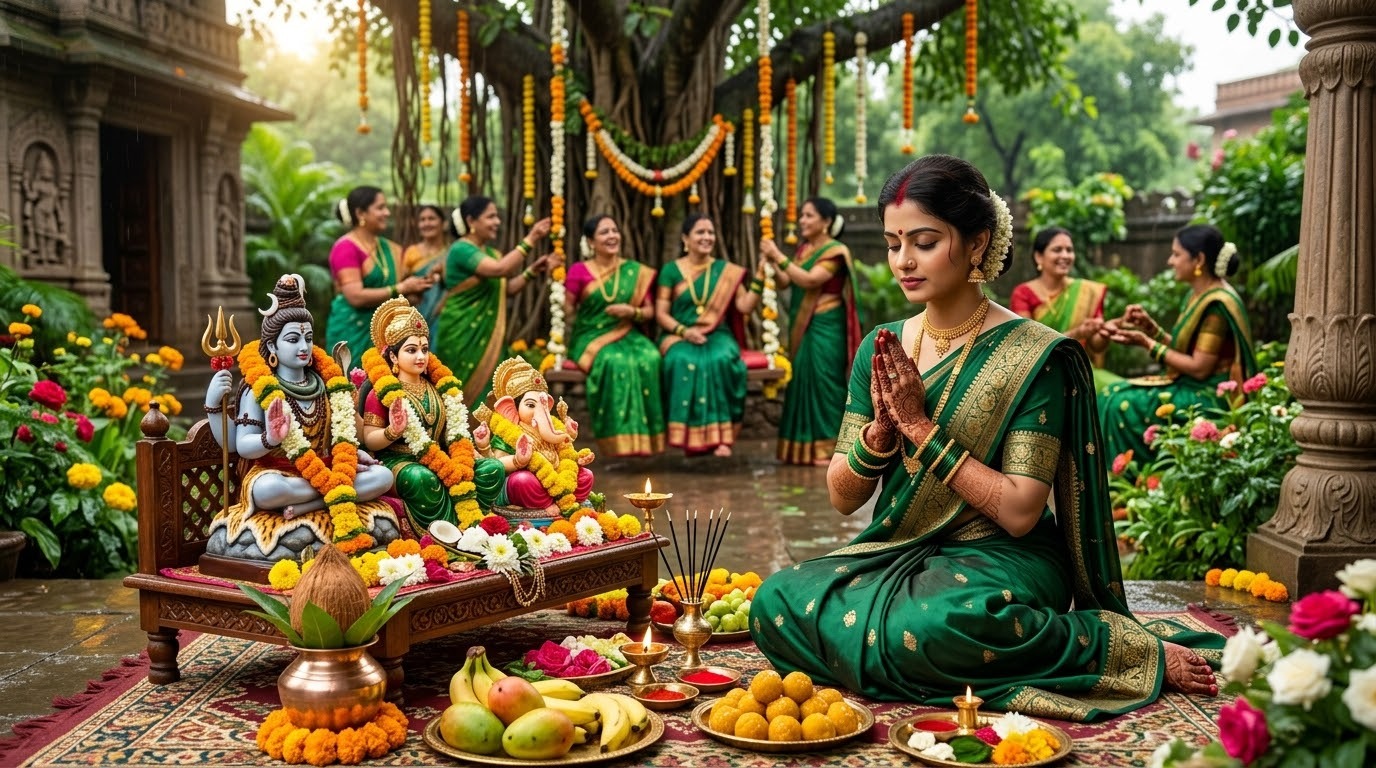
The festival is observed with devotion, where married women pray for the long life and well-being of their husbands, while unmarried women seek blessings for a good life partner. The customs may vary by region, but the emotional and spiritual essence remains the same.
Types of Teej – Hariyali Teej, Kajari Teej and Hartalika Teej
Hindu tradition recognizes different forms of Teej, each with its own cultural importance.
Hariyali Teej is celebrated during the monsoon season and is associated with greenery and devotion to Shiva-Parvati. It is widely observed in North India with rituals, fasting, and festive celebrations.
Kajari Teej is mainly celebrated in parts of Uttar Pradesh and Bihar. It is connected with agricultural traditions and monsoon songs expressing longing and devotion.
Hartalika Teej is known for its strict fasting practices. Women observe a nirjala fast (without food and water) and worship Goddess Parvati with deep devotion.
Each type of Teej festival reflects different regional traditions, but all are rooted in devotion and marital blessings.
Teej Festival Significance in Hindu Culture
The Teej festival’s significance in Hindu culture is deeply spiritual and emotional. It represents the devotion of Goddess Parvati towards Lord Shiva, which is seen as an ideal example of love, patience, and commitment.
Teej also symbolizes purity of thoughts and strength in relationships. Women observe fasts and prayers to seek blessings for a peaceful and happy married life.
Culturally, Teej brings communities together. Women dress in traditional attire, apply mehendi, sing folk songs, and celebrate the beauty of monsoon. It strengthens family bonds and preserves traditional values.
Teej Traditions and Rituals Across India
Teej traditions vary across regions, but the core rituals remain consistent.
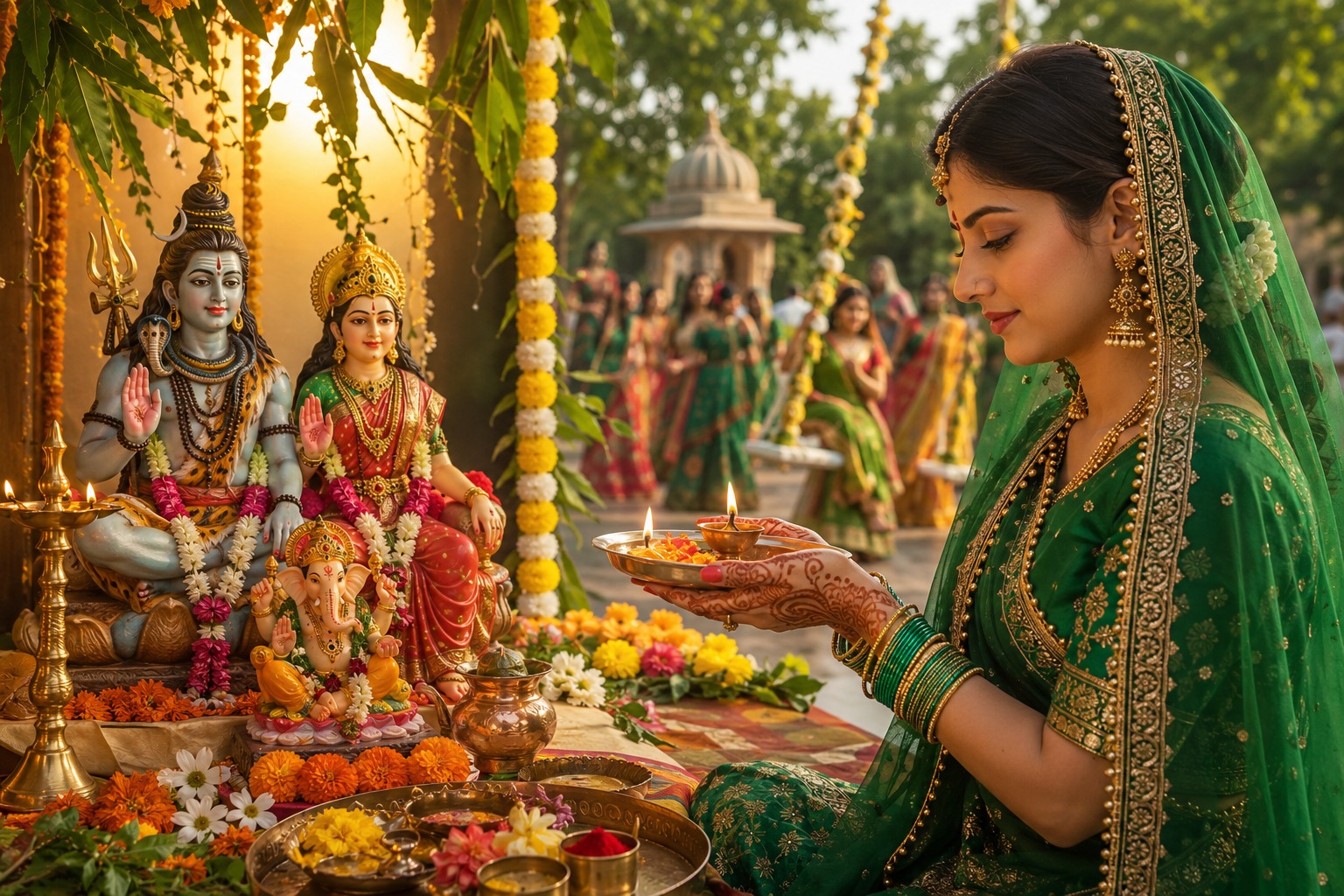
Women usually begin the day with purification rituals and prayers. Fasting is observed according to family traditions, and prayers are offered to Lord Shiva and Goddess Parvati.
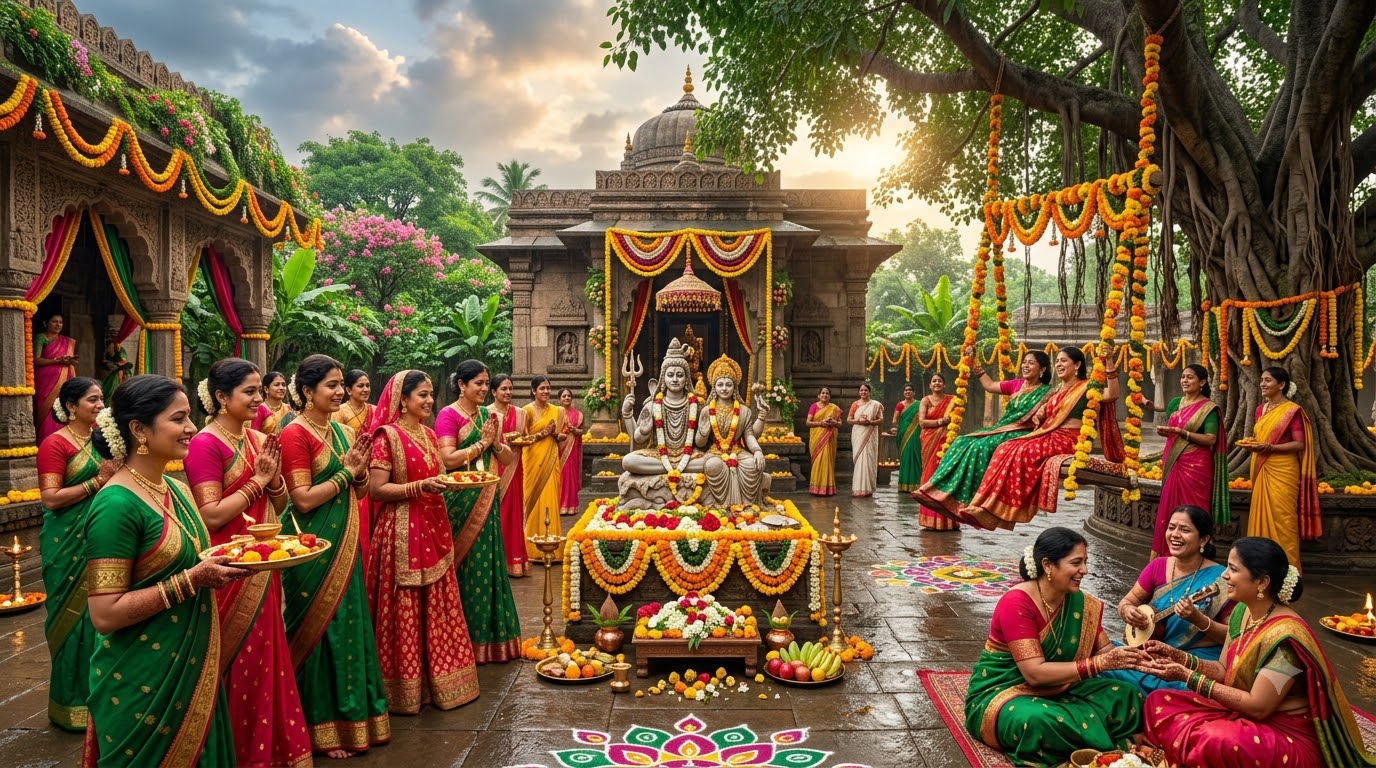
In many regions, women gather for group celebrations, sing traditional songs, and enjoy festive activities. Mehendi application and dressing in colorful traditional clothing are also important parts of the celebration.
Listening to religious stories related to Teej vrat is considered spiritually meaningful and helps devotees understand the importance of devotion and discipline.
Teej Festival and Its Regional Celebrations
The Teej festival’s Hindu cultural connection is especially strong in Rajasthan, Uttar Pradesh, Madhya Pradesh, and Bihar.
In Rajasthan, Teej is celebrated with grand processions, folk music, and cultural performances. Women participate with enthusiasm, and the atmosphere becomes highly festive.
In Uttar Pradesh and Bihar, Kajari Teej is linked with seasonal songs and agricultural life, reflecting emotions of separation and devotion.
In many regions, Hartalika Teej is observed with strict fasting and deep spiritual discipline, highlighting the devotion of Goddess Parvati.
These regional variations show how diverse yet united Indian cultural traditions are.
Why Teej is Important for Married and Unmarried Women
The Teej vrat’s significance is different yet meaningful for both married and unmarried women.
Married women observe the fast for the well-being, longevity, and happiness of their husbands. It strengthens emotional bonds and expresses love and care in a spiritual way.
Unmarried women pray for a suitable life partner and a happy future. The festival is seen as a way to seek blessings for a stable and harmonious married life.
Teej also teaches patience, devotion, and inner strength, which are important values in Hindu culture.
Teej is more than just a festival; it is a reflection of faith, tradition, and emotional depth in Hindu culture. The Teej festival’s significance lies in its ability to connect spirituality with relationships and nature with devotion.
Whether through fasting, prayer, or celebration, Teej continues to inspire devotion and cultural pride across generations. It remains a beautiful reminder of love, patience, and the sacred bond between Shiva and Parvati.
Celebrate the spirit of Teej by embracing its traditions and sharing its joy with family and community.
FAQ:
Q1: What is the significance of the Teej festival in Hindu culture?
Teej symbolizes devotion, love, and marital harmony through the worship of Lord Shiva and Goddess Parvati. It also represents patience, faith, and the preservation of traditional family values.
Q2: What are the different types of Teej celebrated in India?
The main types of Teej are Hariyali Teej, Kajari Teej, and Hartalika Teej. Each has its own regional customs and significance, but all are centered around devotion and blessings for marital happiness.
Q3: Why do women observe Teej fasts?
Married women observe Teej fasts for the long life, well-being, and happiness of their husbands. Unmarried women keep the fast and offer prayers to seek blessings for a suitable life partner and a happy future.
Q4: How is Teej celebrated across different regions of India?
Teej celebrations vary by region and may include fasting, prayers, folk songs, mehendi, traditional attire, and community gatherings. Rajasthan is known for grand processions, while Kajari Teej in Uttar Pradesh and Bihar is associated with monsoon songs and agricultural traditions.
Q5: What are the main traditions and rituals associated with Teej?
Teej rituals typically include fasting, worshipping Lord Shiva and Goddess Parvati, listening to Teej vrat stories, applying mehendi, and wearing colorful traditional clothes. These practices help devotees express devotion and strengthen their connection to cultural traditions.